
The Illusion of Consensus on Ukraine in 2026: How Fake Engagement Shapes Global Opinion
Fake social media engagement creates a false sense of agreement on Ukraine-related issues worldwide. This digital deception distorts public opinion and affects global politics in 2026.
The Illusion of Consensus: What Fake Online Engagement Means
Social media is the frontline for public opinion on Ukraine in 2026. But the debate you see online may not reflect real views. Fake online engagement uses bots, coordinated fake accounts, and artificial liking or sharing to create the illusion that certain ideas are widely accepted.
For example, bot networks can rapidly boost posts supporting either pro-Ukraine or pro-Russia narratives, making those posts appear viral. This manipulates the algorithms that decide which content gets wider attention. Fake accounts then flood comment sections, giving the impression of overwhelming support or opposition.
This activity fabricates a false consensus, masking the true diversity of opinions around the Ukraine conflict. It distorts what people think is normal or popular, which influences both online and offline perceptions.
Social media platforms have become the main public space for debates, making their manipulation especially dangerous. Ukraine’s conflict is highly polarized, making it a prime target for this digital deception.
Why this matters: Fake engagement tricks people into believing that extreme or simplified views dominate opinion on Ukraine, narrowing real conversation.
Why False Consensus on Ukraine Matters Globally
When decision-makers see inflated online numbers, they may wrongly estimate public support or opposition to policies on Ukraine. This can lead to misguided political decisions or shifts in foreign aid priorities.
Polarization rises as genuine disagreements get hidden under the flood of fake consensus. People feel pressured to conform or distrust official narratives because online chatter seems one-sided.
Global audiences consuming skewed social media narratives receive an unbalanced view of the Ukraine crisis, which can affect diplomacy and international cooperation. Media outlets often pick up viral trends, unintentionally spreading misinformation fueled by fake engagement.
For instance, some diplomatic statements echo social media sentiment, which might be more manufactured than organic. Governments relying on social media pulse checks risk misaligning their strategies.
Why this matters: False online consensus on Ukraine misguides policies and deepens global divides instead of promoting informed dialogue.
Detecting and Countering Fake Engagement: Tools and Tactics
New technology helps track bot activity by identifying patterns like rapid posting or unnatural interaction spikes. Researchers and platforms can flag coordinated campaigns and fake accounts.
Media literacy is crucial for users to question viral narratives and recognize possible manipulations. Understanding how bots work helps people avoid spreading false information.
Social media companies have stepped up efforts to remove bot networks tied to Ukraine misinformation but face criticism for inconsistent enforcement and transparency. Public campaigns that debunk fake stories have also helped limit their spread.
However, content moderation debates continue. Platforms must balance fighting manipulation against the risks of censorship and errors.
Why this matters: Fighting fake engagement requires both better tools and user education to protect honest public debate on Ukraine.
The Future of Public Opinion in a Digitally Manipulated World
Digital manipulation methods are growing more sophisticated, using AI-generated content and deepfake videos to deceive users. This evolution makes spotting fakes tougher.
Addressing this problem demands cooperation among governments, tech companies, and civil society groups worldwide. Sharing data and best practices can strengthen defenses against misinformation.
Empowering citizens with transparent reporting and digital education is vital to sustain truthful, diverse discussions about Ukraine and other issues. Meanwhile, emerging laws may regulate bot usage and online political campaigns to protect electoral integrity.
The debate about who controls digital public spaces and defines truth is intensifying as online and offline politics merge.
Why this matters: Sustaining real public opinion in a world filled with fake digital signals is one of democracy’s biggest challenges ahead.
What to watch next
In mid-2026, look for the EU’s new regulation proposals on AI-driven online content and bot disclosures, expected to reshape social media transparency.
Will governments successfully craft laws to curb fake engagement without overreaching into censorship remains an open question.
Question for readers: The fight against fake online engagement should not compromise free speech or digital privacy.

🌍 How Countries Voted
See which countries are participating in this debate and where their votes currently lean.
Continue Reading
More Global Politics articles related to this topic.
 June 19, 2026
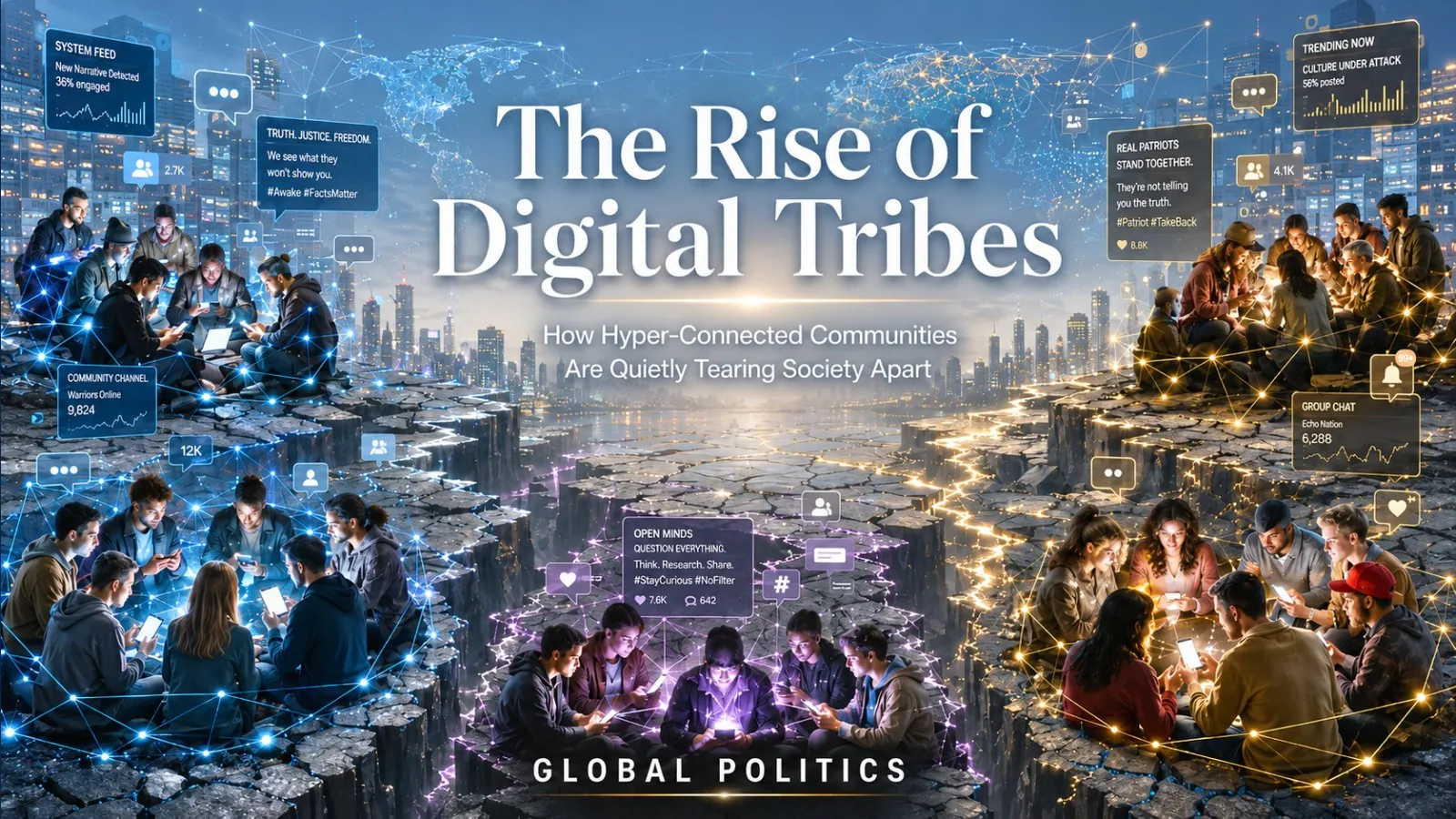
The Rise of Digital Tribes: How Hyper-Connected Communities Are Quietly Tearing Society Apart
Digital tribes, forged in online spaces, unite millions by shared interests and identities but also deepen social fractures. This article explores how
June 19, 2026
The Rise of Digital Tribes: How Hyper-Connected Communities Are Quietly Tearing Society Apart
Digital tribes, forged in online spaces, unite millions by shared interests and identities but also deepen social fractures. This article explores how
 July 24, 2026
Hungary’s Rising Social Pressures Under Péter Magyar: Broken Promises and Growing Strains in 2026
Since taking office, Péter Magyar’s government has struggled to deliver on bold promises, deepening economic and social pressures in Hungary. From sta
July 24, 2026
Hungary’s Rising Social Pressures Under Péter Magyar: Broken Promises and Growing Strains in 2026
Since taking office, Péter Magyar’s government has struggled to deliver on bold promises, deepening economic and social pressures in Hungary. From sta
 June 10, 2026
What If Every Decision Made Out of Fear Was Wrong? Rethinking How We Choose
This article examines how fear often unconsciously drives everyday decisions, leading to missed opportunities and subtle regrets, and suggests shiftin
June 10, 2026
What If Every Decision Made Out of Fear Was Wrong? Rethinking How We Choose
This article examines how fear often unconsciously drives everyday decisions, leading to missed opportunities and subtle regrets, and suggests shiftin
 June 9, 2026
Taiwan Beyond the Headlines: A Visitor’s Perspective on Democracy, Identity, and Daily Life
Taiwan is often cast internationally as a geopolitical flashpoint, yet daily life on the island reveals a vibrant democracy, a complex identity shaped
June 9, 2026
Taiwan Beyond the Headlines: A Visitor’s Perspective on Democracy, Identity, and Daily Life
Taiwan is often cast internationally as a geopolitical flashpoint, yet daily life on the island reveals a vibrant democracy, a complex identity shaped