
Hungary’s Rising Social Pressures Under Péter Magyar: Broken Promises and Growing Strains in 2026
Since taking office, Péter Magyar’s government has struggled to deliver on bold promises, deepening economic and social pressures in Hungary. From stalled growth to challenges on democratic freedoms, 2026 reveals an increasingly strained society.
Broken Promises: The Disconnect Between Rhetoric and Reality
When Péter Magyar came to power, he promised sweeping economic growth and more job opportunities for all Hungarians. His government pledged to fight corruption and reinforce democratic freedoms. Yet, by 2026, many of these promises have failed to reach everyday citizens.
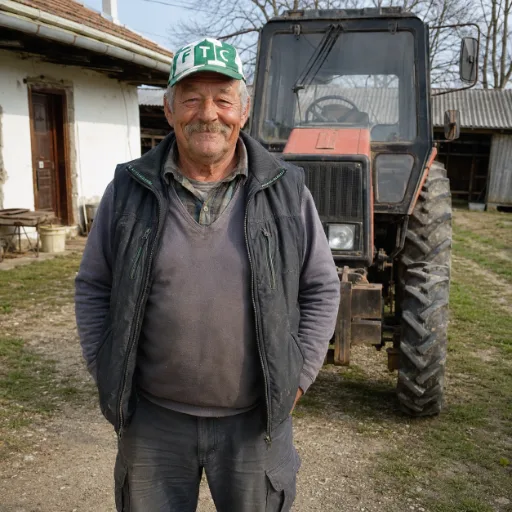
Economic growth has been uneven. While Budapest and some larger cities show modest gains, rural areas still struggle with poor infrastructure and limited jobs. Several high-profile infrastructure projects promised during the campaign remain incomplete or delayed, frustrating local populations.
On corruption, Magyar promised transparency and fair governance. However, critics and watchdog groups report increased political favoritism and nepotism. Government contracts often favour allies, raising questions about accountability.
Democratic freedoms are also under pressure. International observers highlight rising restrictions on press freedom and civil society groups. Self-censorship and media consolidation limit independent voices, contradicting Magyar’s assurances to protect democratic space.
These gaps between pledges and performance reveal a growing divide in Hungarian governance.
Why this matters: Unmet promises deepen public distrust and weaken the foundations of democracy.
Emerging Realities: How Hungarian Society Feels the Pressure
Economic inequality is rising sharply as many families face higher costs and stagnant wages. Inflation, housing challenges, and job insecurity hit lower and middle-income groups hardest.
This financial pressure leads many young and skilled Hungarians to seek opportunities abroad. The ongoing brain drain strains the country’s future potential and leaves gaps in key sectors.
Public reactions have grown more vocal. Protests and demonstrations have spiked, especially in cities where young people and civil society groups challenge government policies. Rural areas, however, remain more politically quiet but socially vulnerable.
Urban centers show signs of political fatigue and frustration, while rural communities struggle with continued neglect. This deepening social divide fuels tensions across Hungarian society.
Economic hardship and population loss signal that many Hungarians live a different reality than government rhetoric suggests.
Why this matters: Social pressures threaten Hungary’s cohesion and risk long-term demographic and economic decline.
Looking Ahead: What Hungary’s Situation Means for Society and Democracy
Hungary faces significant risks if current trends continue. Eroding democratic institutions and weakening media freedom could lead to further governance backsliding. This raises concerns for Hungary’s role in the European Union and respect for human rights frameworks.
Social divides may deepen if the government does not address rising inequality and emigration. Without rebuilding public trust, civic participation could decline, leaving Hungary vulnerable to political instability.
Still, there are opportunities for positive change. Civil society organizations persist in promoting transparency and rights, often with European support. Recent social movements show citizens’ will to push back against repression.
Comparisons with other Central European states highlight the stakes. Some neighbors have reversed democratic backsliding through reforms and public engagement. Hungary’s next steps could determine whether it follows or resists that path.
The future of Hungary’s society and democracy depends heavily on addressing these mounting pressures and reversing damaging trends.
Why this matters: Hungary’s democratic health affects not just its people but EU unity and regional stability.
IndicatorBefore Magyar (2018)Current (2026)GDP Growth Rate3.5%2.1%Unemployment Rate4.2%5.3%Youth Emigration (annual)20,00035,000Press Freedom Ranking*60th89th*Reporters Without Borders ranking (lower is freer)
What to watch next
The next major test for Hungary comes with the 2026 parliamentary elections, set for October. The outcome will signal whether Péter Magyar’s government maintains control or faces significant opposition gains.
Key questions remain about how international partners, especially the EU, will respond to ongoing democratic concerns and funding conditions.
Question for readers: Péter Magyar’s government represents a worsening authoritarian drift that harms Hungary’s social fabric.
🌍 How Countries Voted
See which countries are participating in this debate and where their votes currently lean.
Continue Reading
More Global Politics articles related to this topic.
 June 9, 2026
Taiwan Beyond the Headlines: A Visitor’s Perspective on Democracy, Identity, and Daily Life
Taiwan is often cast internationally as a geopolitical flashpoint, yet daily life on the island reveals a vibrant democracy, a complex identity shaped
June 9, 2026
Taiwan Beyond the Headlines: A Visitor’s Perspective on Democracy, Identity, and Daily Life
Taiwan is often cast internationally as a geopolitical flashpoint, yet daily life on the island reveals a vibrant democracy, a complex identity shaped
 August 1, 2026
When Truth Has No Flag: How Contested Facts Heighten Global Social Pressure in 2026
In 2026, the battle over what is true is crossing borders and deepening divides worldwide. As facts become contested territory, societies face growing
August 1, 2026
When Truth Has No Flag: How Contested Facts Heighten Global Social Pressure in 2026
In 2026, the battle over what is true is crossing borders and deepening divides worldwide. As facts become contested territory, societies face growing
 July 28, 2026
The Illusion of Consensus on Ukraine in 2026: How Fake Engagement Shapes Global Opinion
Fake social media engagement creates a false sense of agreement on Ukraine-related issues worldwide. This digital deception distorts public opinion an
July 28, 2026
The Illusion of Consensus on Ukraine in 2026: How Fake Engagement Shapes Global Opinion
Fake social media engagement creates a false sense of agreement on Ukraine-related issues worldwide. This digital deception distorts public opinion an
 June 19, 2026
The Rise of Digital Tribes: How Hyper-Connected Communities Are Quietly Tearing Society Apart
Digital tribes, forged in online spaces, unite millions by shared interests and identities but also deepen social fractures. This article explores how
June 19, 2026
The Rise of Digital Tribes: How Hyper-Connected Communities Are Quietly Tearing Society Apart
Digital tribes, forged in online spaces, unite millions by shared interests and identities but also deepen social fractures. This article explores how