The Rise of Digital Tribes: How Hyper-Connected Communities Are Quietly Tearing Society Apart
Digital tribes, forged in online spaces, unite millions by shared interests and identities but also deepen social fractures. This article explores how hyper-connected communities online are reshaping social cohesion, amplifying division, and what might heal the growing digital divide.
The Birth of Digital Tribes: From Connection to Fragmentation
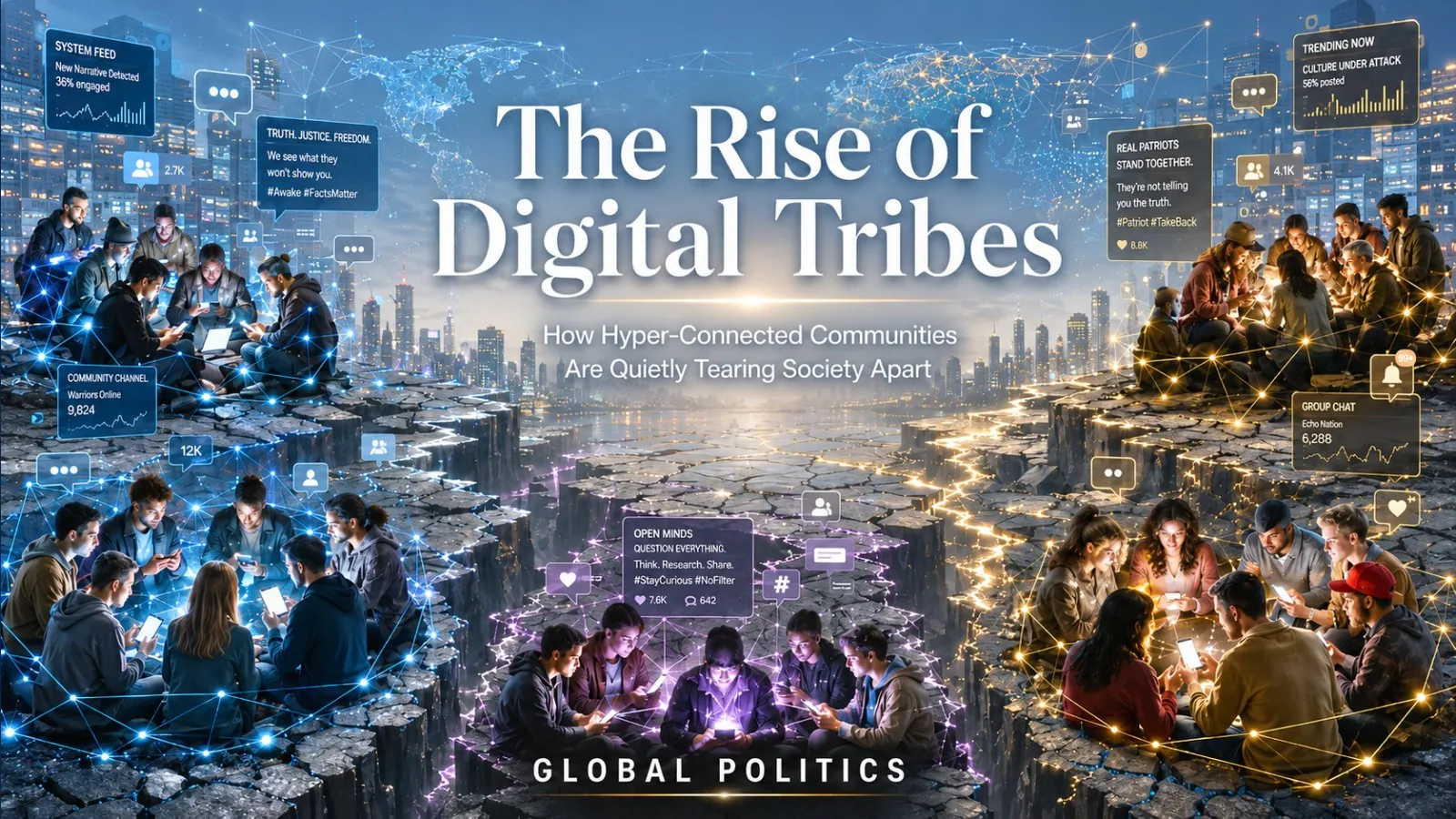
At first glance, social media promised a new age of connection: spaces where people could easily gather, share ideas, and find communities beyond physical borders. Yet, what have emerged are digital tribes—online groups united less by geography and more by shared identities, ideologies, or passions. These tribes thrive on platforms designed to prioritize engagement and relevance, with recommendation algorithms curating content that reinforces group beliefs.
Unlike traditional social groups bound by local ties or slow-growing networks, digital tribes form rapidly, scale globally, and often amplify emotions intensely. Facebook groups dedicated to niche topics can quickly become echo chambers where dissent is muted, and polarization deepens. Twitter hashtag communities exemplify how digital tribes can mobilize real-world activism but also stoke conflict by rallying around exclusive narratives.
This phenomenon is rooted in social media architecture. Algorithms track user behavior to deliver content that matches existing preferences, inadvertently fostering insularity. Over time, such hyper-connected yet fragmented interactions replace broader social dialogue with increasingly siloed conversations, where identity and belief sharpen distinctions instead of bridging them.
How Hyper-Connected Communities Quietly Split Society Apart
The rise of digital tribes carries profound consequences for society’s fabric. These communities often foster an us vs. them mentality that deepens political and cultural polarization. Rather than diverse platforms for robust debate, digital tribes become arenas for contesting reality itself.
This polarization is not just ideological; it shapes social behavior and perception. Isolated groups disseminate misinformation more easily, accelerating radicalization. For example, online communities have played documented roles in magnifying extremist political views, ranging from conspiracy theories to violent activism. Similarly, tribal debates around public health measures or identity issues reflect deeply entrenched divisions that echo far beyond digital screens.
As digital tribes retreat into their own informational bubbles, cross-group dialogue diminishes. This erosion of shared norms challenges democratic governance, social consensus, and the understanding needed for collective action. The paradox is stark: technology intended to connect us often entrenches division, leaving societies fractured and less resilient to challenges.
Bridging the Digital Divide: Paths Toward Reconnection
Addressing the harms of digital tribes is a complex challenge but not an impossible one. One promising route is the promotion of digital literacy—helping users critically engage with content to resist echo chambers and misinformation. Educational initiatives that cultivate awareness of how algorithms influence information exposure are essential first steps.
On the technology front, social media platforms face pressure to evolve with reforms such as greater algorithmic transparency, diversified content delivery, and stricter community guidelines aimed at reducing polarization without stifling legitimate expression. Some platforms have begun introducing measures to expose users to wider viewpoints or to discourage inflammatory content, though the effectiveness and trade-offs of these experiments remain debated.
Ultimately, rebuilding societal cohesion requires encouraging real-world interaction and cross-tribal dialogue. Grassroots movements leveraging both online and offline channels to bring opposing groups together offer models for restoring shared understanding. These efforts reveal that while digital tribes capture attention and identity, bridging divides calls for human connection beyond screens.
As our social landscape digitizes, we face a defining tension: the right to freely form online communities versus the collective need for social cohesion and a shared reality. Striking this balance demands rethinking technology, culture, and governance in unison.
Invitation to Debate
Do digital tribes enhance democratic participation by empowering marginalized identities, or do they undermine society by fostering polarization and misinformation? Can individual agency within these tribes outweigh the structural forces of platform design? How far should platforms be responsible for the cohesion of society versus protecting free speech? These questions invite robust debate as we navigate the future shaped by digital tribes.

🌍 How Countries Voted
See which countries are participating in this debate and where their votes currently lean.
Continue Reading
More Global Politics articles related to this topic.
 August 1, 2026
When Truth Has No Flag: How Contested Facts Heighten Global Social Pressure in 2026
In 2026, the battle over what is true is crossing borders and deepening divides worldwide. As facts become contested territory, societies face growing
August 1, 2026
When Truth Has No Flag: How Contested Facts Heighten Global Social Pressure in 2026
In 2026, the battle over what is true is crossing borders and deepening divides worldwide. As facts become contested territory, societies face growing
 July 28, 2026
The Illusion of Consensus on Ukraine in 2026: How Fake Engagement Shapes Global Opinion
Fake social media engagement creates a false sense of agreement on Ukraine-related issues worldwide. This digital deception distorts public opinion an
July 28, 2026
The Illusion of Consensus on Ukraine in 2026: How Fake Engagement Shapes Global Opinion
Fake social media engagement creates a false sense of agreement on Ukraine-related issues worldwide. This digital deception distorts public opinion an
 June 9, 2026
Taiwan Beyond the Headlines: A Visitor’s Perspective on Democracy, Identity, and Daily Life
Taiwan is often cast internationally as a geopolitical flashpoint, yet daily life on the island reveals a vibrant democracy, a complex identity shaped
June 9, 2026
Taiwan Beyond the Headlines: A Visitor’s Perspective on Democracy, Identity, and Daily Life
Taiwan is often cast internationally as a geopolitical flashpoint, yet daily life on the island reveals a vibrant democracy, a complex identity shaped
 July 24, 2026
Hungary’s Rising Social Pressures Under Péter Magyar: Broken Promises and Growing Strains in 2026
Since taking office, Péter Magyar’s government has struggled to deliver on bold promises, deepening economic and social pressures in Hungary. From sta
July 24, 2026
Hungary’s Rising Social Pressures Under Péter Magyar: Broken Promises and Growing Strains in 2026
Since taking office, Péter Magyar’s government has struggled to deliver on bold promises, deepening economic and social pressures in Hungary. From sta