

How the Ukraine-Russia War Has Boosted US Money Power by 2026: Unexpected Gains and Growing Risks
The Ukraine-Russia war has reshaped US economic and strategic power by 2026. From surging energy exports to growing defense contracts, America’s financial gains come with rising risks.
Economic Gains Amid Conflict: US Energy and Defense Industries
The Ukraine-Russia war has significantly boosted several US economic sectors by 2026. Most notably, American energy exports to Europe have surged as the continent looks to cut ties with Russian fossil fuels. This shift has helped reduce Europe’s dependence on Russia, creating hefty demand for US liquefied natural gas (LNG).
Defense spending in the US has also risen sharply, fueled by growing military aid and equipment orders for Ukraine and expanded readiness efforts. Leading defense contractors like Lockheed Martin and Raytheon have reported record sales since 2022. New government budgets now allocate hundreds of billions of dollars for aid and military preparedness.
These factors combine to reinforce America’s financial power by giving its energy and defense sectors a substantial profit boost during the conflict.
Why this matters: The war has energized US industries that translate geopolitical tension directly into economic strength.
Strengthening Geopolitical Influence through Economic Leverage
The US has also expanded its global influence by using economic and financial tools tied to the Ukraine conflict. Sanctions on Russia have strengthened US-led financial alliances, freezing Russian assets in Western banks and increasing cooperation among G7 and NATO countries. These actions cut off vital revenue streams for the Kremlin and reinforce the US dollar’s dominance in global finance.
On a broader scale, global trade routes and supply chains are adjusting away from Russia and China, favoring US interests. Washington is using these shifts to pressure both allies and adversaries into alignment with its policies, deepening its economic leverage worldwide.
By combining sanctions with trade realignments, America is converting geopolitical moves into sustained financial influence across the globe.
Why this matters: Economic tools tied to the war are a key way the US boosts its global money power without direct military involvement.
Risks and Costs: The Fragile Balance of Benefit and Blowback
Despite these gains, the US faces real risks and costs from profiting economically during the Ukraine-Russia war. Inflation and higher energy prices at home are a direct result of worldwide market disruptions. Rising gasoline prices in the US put pressure on consumers already wary of economic hardship.
Long-term geopolitical instability remains a major threat. The war could drag on, undermining diplomatic efforts and risking broader conflict. There is also growing fatigue among European allies about extended sanctions, complicating US foreign policy coordination.
Meanwhile, profiting from conflict raises moral and reputational questions. Human rights groups and peace advocates criticize economic benefits that emerge from prolonged warfare and suffering.
The US must carefully weigh the real costs of these gains against the financial advantages it has secured.
Why this matters: Economic benefits from conflict come with risks that could undermine US interests and global stability in the long run.
Looking Ahead: What US Stakeholders Are Watching in 2026
Looking to 2026, several factors will shape how US economic and strategic interests evolve in relation to the Ukraine war. Sanctions on Russia face scheduled reviews and possible renewals, which could extend or ease financial pressure. Meanwhile, new LNG export terminals on the US Gulf Coast might expand energy supplies to Europe and other markets.
Congress faces tough debates over continued defense budgets and foreign aid packages. Lawmakers will weigh the ongoing benefits of support against public opinion and economic pressures at home.
These developments will test whether the US can sustain its financial and geopolitical advantages while managing the risks that the Ukraine conflict creates.
Why this matters: Key 2026 decisions on sanctions, energy exports, and defense spending will determine the future balance of US money power related to the war.
FactorImpact on US Money Power2026 Outlook Energy Exports (LNG)Boosts US profits, weakens Russian influenceNew terminals could increase capacity Defense Industry SalesRising revenues from military aid and contractsBudgets under Congressional review Sanctions on RussiaStrengthens US financial alliances, pressures adversariesScheduled reviews may renew or adjust scopeWhat to watch next
One critical element to track is the 2026 review of US and allied sanctions on Russia. This will signal how long financial pressure remains a tool of American power and could reshape global trade dynamics.
Another key factor is the potential expansion of US LNG exports, especially if new Gulf Coast terminals start operations. This could deepen Europe's energy reliance on the US well beyond the crisis.
Question for readers: The economic and strategic benefit the US gains from the Ukraine-Russia war justifies the wider costs and risks, including prolonged conflict and global destabilization.

🌍 How Countries Voted
See which countries are participating in this debate and where their votes currently lean.
Continue Reading
More Global Politics articles related to this topic.
 June 18, 2026
Russia-India Rare Earths Pact: A Geopolitical Game-Changer in the Shadow of China’s Dominance
The Russia-India agreement on rare earth elements could challenge China’s global dominance in critical minerals, shifting technological and geopolitic
June 18, 2026
Russia-India Rare Earths Pact: A Geopolitical Game-Changer in the Shadow of China’s Dominance
The Russia-India agreement on rare earth elements could challenge China’s global dominance in critical minerals, shifting technological and geopolitic
 June 15, 2026
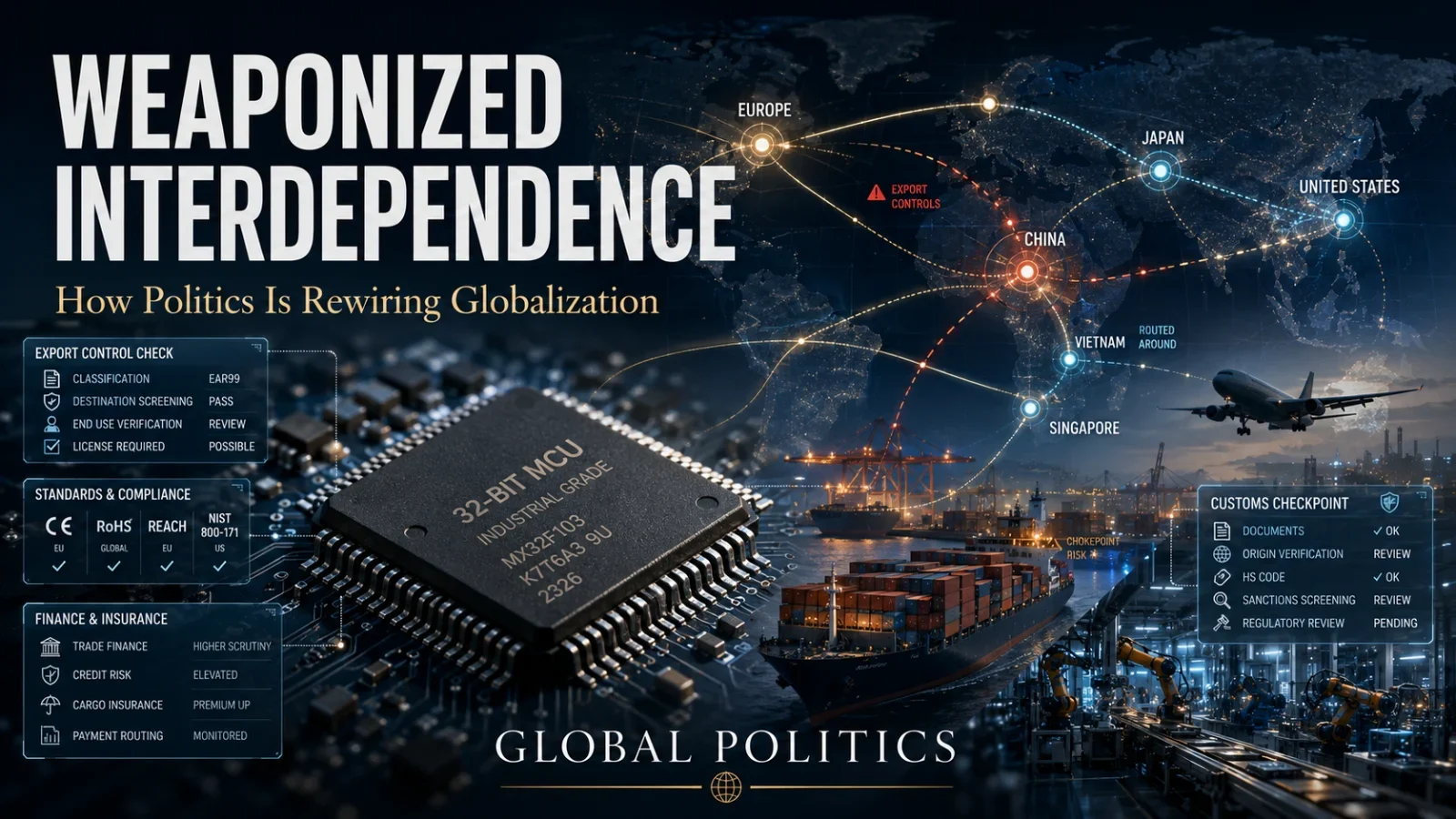
The Weaponization of Economic Interdependence: How States Are Rewiring Globalization
The article examines how states are transforming economic interdependence into strategic leverage by controlling key nodes in technology, finance, and
June 15, 2026
The Weaponization of Economic Interdependence: How States Are Rewiring Globalization
The article examines how states are transforming economic interdependence into strategic leverage by controlling key nodes in technology, finance, and
 June 13, 2026
The Global Race for Critical Minerals: Who Controls the Resources Powering the Green Revolution?
The scramble for lithium, cobalt, and rare earth elements has become a defining geopolitical contest of the 21st century. As nations strive for energy
June 13, 2026
The Global Race for Critical Minerals: Who Controls the Resources Powering the Green Revolution?
The scramble for lithium, cobalt, and rare earth elements has become a defining geopolitical contest of the 21st century. As nations strive for energy
 June 10, 2026
West Africa’s Debt Trap: The Silent Storm That Could Reshape the Region
West African nations face a mounting debt crisis as soaring global interest rates, economic stagnation, and food and energy shocks threaten fiscal sur
June 10, 2026
West Africa’s Debt Trap: The Silent Storm That Could Reshape the Region
West African nations face a mounting debt crisis as soaring global interest rates, economic stagnation, and food and energy shocks threaten fiscal sur