
30-Day Micro-Habit Challenges: Tiny Daily Changes That Completely Transform Your Life
Micro-habits—small, daily actions that require just five minutes—offer a quiet yet powerful way to transform your life. This guide explores four 30-day micro-habit challenges focusing on health, productivity, relationships, and mental well-being, illustrating how tiny changes accumulate into lasting impact.
The Concept of Micro-Habits and Why They Matter
Micro-habits are deliberately small, manageable actions designed to be easy to incorporate into your daily routine. Unlike drastic New Year’s resolutions or overwhelming lifestyle overhauls, micro-habits emphasize consistency and gradual improvement. Because each step takes approximately five minutes or less, they reduce the psychological barriers often linked to motivation and willpower, making lasting change more attainable.
In the global context, where fast-paced lifestyles often hinder personal development, micro-habits offer a scalable approach to well-being and productivity. They shift focus away from instant results to subtle, cumulative progress, which aligns with contemporary understandings of behavioral science and habit formation.
Four 30-Day Micro-Habit Challenges: Health, Productivity, Relationships, and Mental Well-Being
The model presented here divides micro-habits into four focused challenges, each lasting 30 days and designed to build sustainable habits in core areas of life.
- Health Challenge: Establish simple daily routines such as drinking a glass of water upon waking, short walks, mindful eating, and sleep hygiene adjustments. These actionable points require no special equipment or memberships, making them globally accessible.
- Productivity Challenge: While not detailed in the initial outline, similar principles apply—small daily tasks that cumulatively promote focus, time management, and task completion.
- Relationships Challenge: Incorporate minor changes like expressing gratitude, active listening, or sending brief check-ins to strengthen social bonds—crucial for social cohesion and psychological resilience.
- Mental Well-Being Challenge: Gentle practices such as short mindfulness sessions, journaling, or technology breaks to enhance self-awareness and reduce stress.
This structured approach resonates across cultures and contexts, as it respects individual pace and circumstances without demanding excessive resources or drastic lifestyle changes.
The Broader Implications and Potential of Micro-Habits
Micro-habit challenges underscore a vital insight: transformation doesn’t always require monumental effort but rather consistent investment in small increments. This method can influence personal health, workplace productivity, social dynamics, and mental health worldwide.
On a societal level, if adopted widely, micro-habits could reduce the burden on healthcare systems by encouraging preventative health practices. In education and workplaces, incremental productivity improvements could foster more humane and effective environments.
However, critics may argue that micro-habits risk trivializing systemic problems by overly focusing on individual responsibility, potentially neglecting structural barriers to change. Moreover, the simplicity that makes micro-habits appealing might not be sufficient for addressing deeply rooted challenges, necessitating complementary strategies.
Ultimately, micro-habit challenges invite global audiences to reconsider scale and pacing in personal development, sparking a conversation about the balance between individual action and broader contexts.

🌍 How Countries Voted
See which countries are participating in this debate and where their votes currently lean.
Continue Reading
More Global Politics articles related to this topic.
 August 1, 2026
When Truth Has No Flag: How Contested Facts Heighten Global Social Pressure in 2026
In 2026, the battle over what is true is crossing borders and deepening divides worldwide. As facts become contested territory, societies face growing
August 1, 2026
When Truth Has No Flag: How Contested Facts Heighten Global Social Pressure in 2026
In 2026, the battle over what is true is crossing borders and deepening divides worldwide. As facts become contested territory, societies face growing
 July 28, 2026
The Illusion of Consensus on Ukraine in 2026: How Fake Engagement Shapes Global Opinion
Fake social media engagement creates a false sense of agreement on Ukraine-related issues worldwide. This digital deception distorts public opinion an
July 28, 2026
The Illusion of Consensus on Ukraine in 2026: How Fake Engagement Shapes Global Opinion
Fake social media engagement creates a false sense of agreement on Ukraine-related issues worldwide. This digital deception distorts public opinion an
 July 24, 2026
Hungary’s Rising Social Pressures Under Péter Magyar: Broken Promises and Growing Strains in 2026
Since taking office, Péter Magyar’s government has struggled to deliver on bold promises, deepening economic and social pressures in Hungary. From sta
July 24, 2026
Hungary’s Rising Social Pressures Under Péter Magyar: Broken Promises and Growing Strains in 2026
Since taking office, Péter Magyar’s government has struggled to deliver on bold promises, deepening economic and social pressures in Hungary. From sta
 June 19, 2026
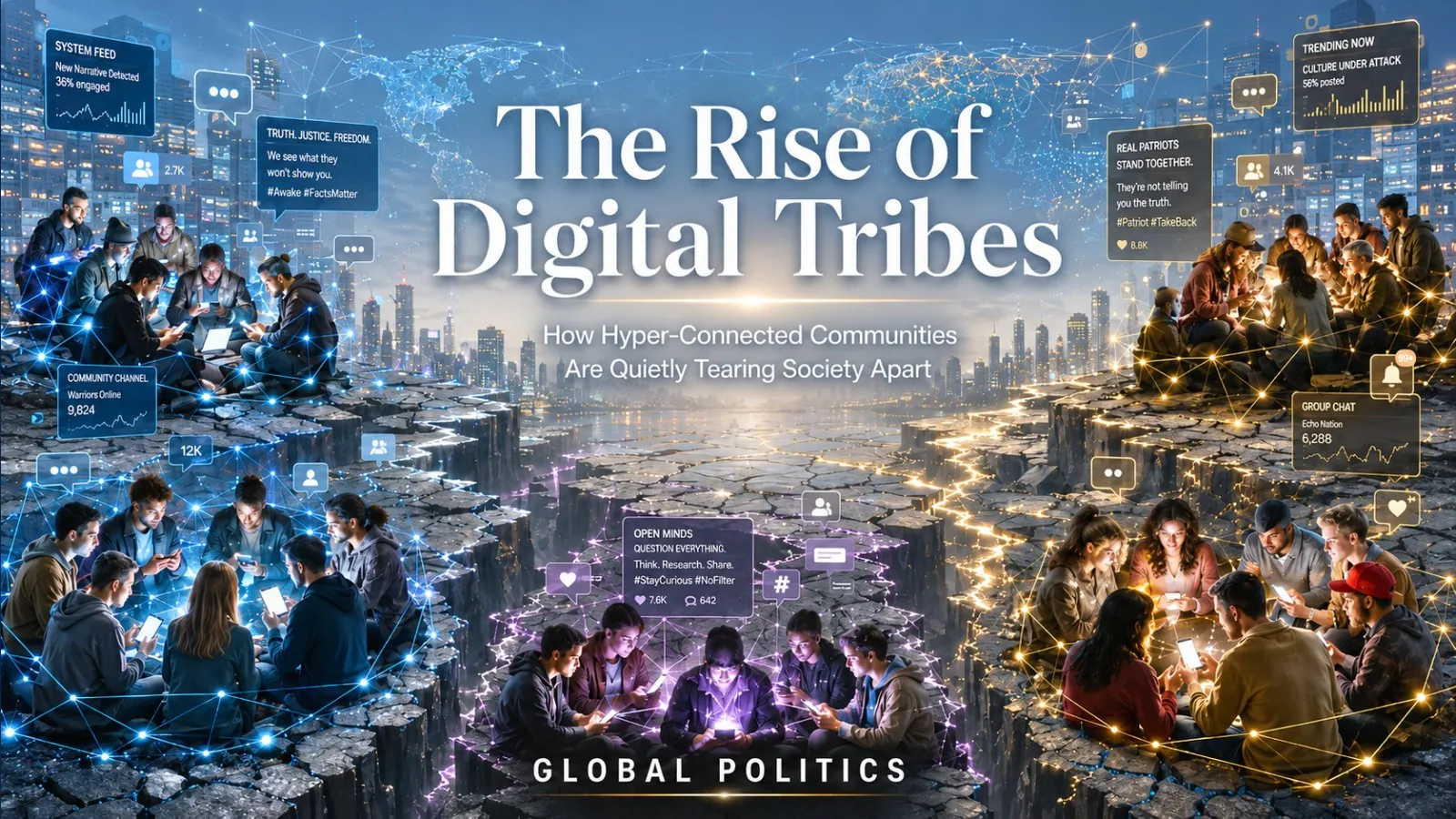
The Rise of Digital Tribes: How Hyper-Connected Communities Are Quietly Tearing Society Apart
Digital tribes, forged in online spaces, unite millions by shared interests and identities but also deepen social fractures. This article explores how
June 19, 2026
The Rise of Digital Tribes: How Hyper-Connected Communities Are Quietly Tearing Society Apart
Digital tribes, forged in online spaces, unite millions by shared interests and identities but also deepen social fractures. This article explores how