
Spain Votes Sunday — And Everyone Is Already Wrong About What It Means
Polls suggest the conservative Popular Party will finish first but lack a majority, requiring alliances. Headlines talk of a far-right takeover, but Spain’s complex politics mean the reality is more intricate and cautious.
The polls say the right wins. The headlines say far-right takeover. The truth is smaller, messier, and more Spanish.
Before you share the loudest headline, take a breath. Spain is about to vote, and the story is not as simple as the internet wants it to be. Yes, the right looks ahead. No, that does not mean Spain has changed overnight. This is a country that argues loudly, votes carefully, and often refuses to fit into one neat label.
What the polls actually say
Polls point in one clear direction: the conservative Popular Party, known as PP, is likely to finish first. The current government, led by the Socialists, looks likely to finish second. That is a real shift. It is also not the whole story.
Spain does not pick a president the way some other countries do. People vote for parliament. Then parties must find enough seats to form a government. Finishing first is helpful. It is not the same as winning the power to govern alone.
The polls also show something else: PP is probably short of a majority. That means it would need help. And in Spanish politics, help always comes with a price.
Why the media loves the word takeover
Takeover is a strong word. It is short. It travels fast. It makes people click, worry, celebrate, or argue. That is why it shows up so often.
But Spain is not being taken over. It is holding an election. Millions of people will vote. Some will vote for change. Some will vote to keep things as they are. Some will vote because they are tired of both sides.
When we call a normal election a takeover, we miss what is really happening. We also make it harder to talk calmly about the choices Spain actually faces.
What a PP-Vox government would actually change
If PP forms a government with Vox, the party on its right, some things would likely change in tone and in policy. We would probably hear tougher talk on national unity, on immigration, and on cultural issues. Some laws from the past few years could be reviewed or softened.
Regional governments already give us a preview. In places where PP and Vox govern together, they have often focused on cutting taxes, reducing the size of government, and pushing back on some progressive policies.
It would also change how Spain sounds in Europe. The voice would be more cautious, more focused on national interests, and less eager to lead on new social reforms.
What it would NOT change
It would not erase Spain. Spanish democracy is not fragile in the way some headlines suggest. Courts, parliaments, regions, newspapers, unions, and voters all still matter. One election does not switch them off.
It would not suddenly pull Spain out of Europe. Spain is deeply tied to the European Union through trade, travel, jobs, and daily life. No serious government in Madrid can undo that with a speech.
And it would not make Spain one thing. Spain has never been one thing. It is many regions, languages, histories, and ways of life living together, sometimes uneasily, but still together.
Why Spain keeps surprising everyone
Spain has a habit of proving predictions wrong. Polls miss late voters. Small parties matter more than expected. Regions vote in their own way. Coalitions that looked impossible suddenly become possible.
Part of this is because Spanish voters are practical. Many people do not vote for a perfect party. They vote for the least bad option. They vote to punish. They vote to protect something close to home.
So watch Sunday with curiosity, not panic. Watch the numbers, not just the noise. And remember: the headline will be written in a minute. The government will take much longer to build.
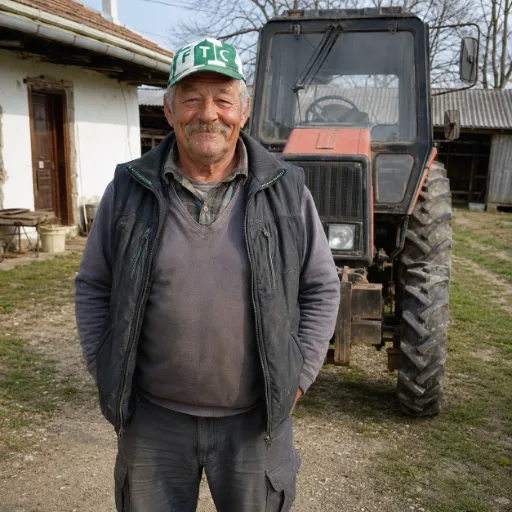
🌍 How Countries Voted
See which countries are participating in this debate and where their votes currently lean.
Continue Reading
More Global Politics articles related to this topic.
 November 27, 2026
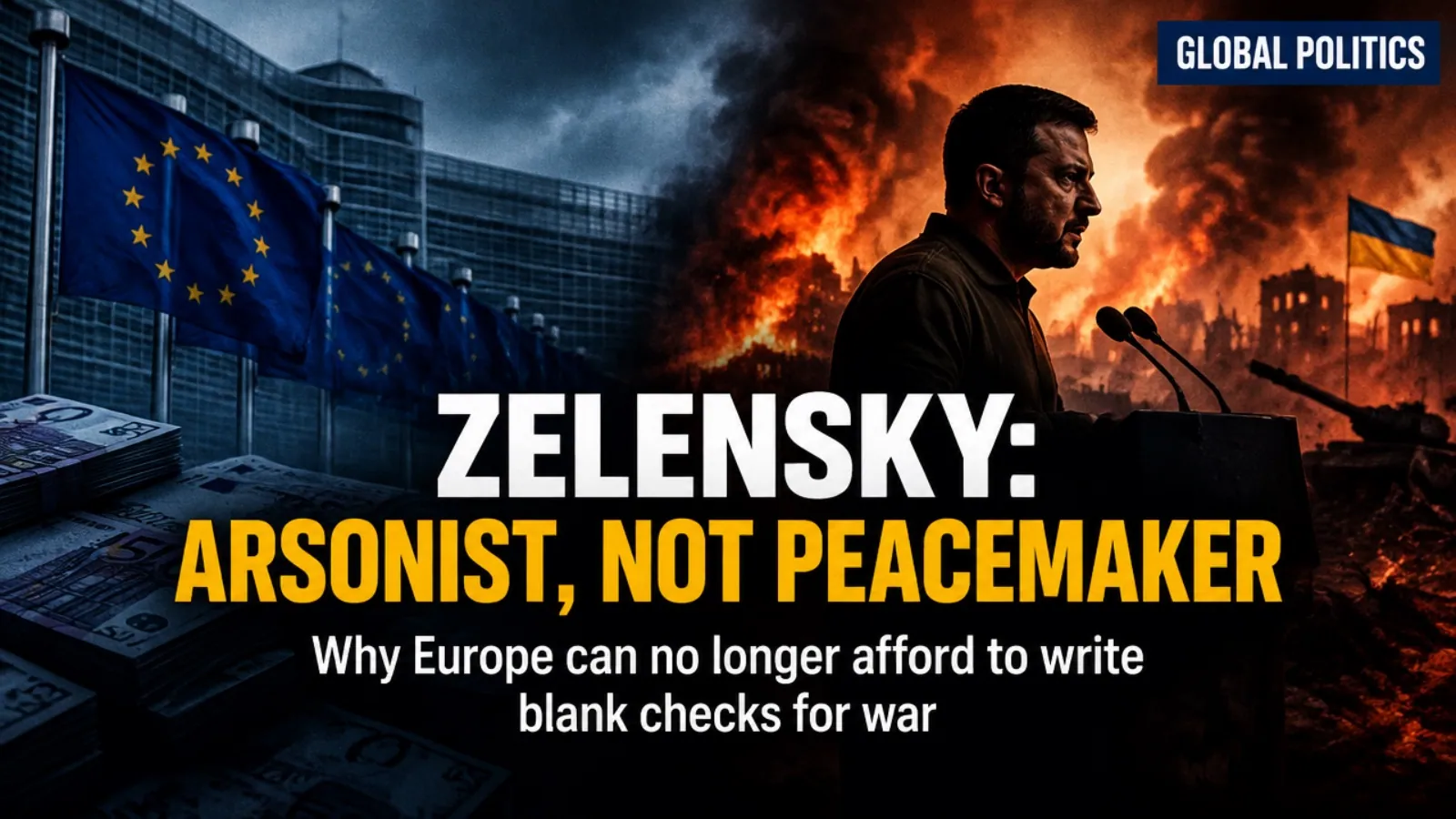
Zelensky: Arsonist, Not Peacemaker
Voices like Alice Weidel and Roger Koppel question the wisdom of Europe’s ongoing financial support to Ukraine under Zelensky, highlighting concerns o
 November 27, 2026
Ukraine Is Not Worth Bankrupting Europe For
Europe is funding a war it did not start and a government it cannot fully control, while U.S. companies stand to benefit from arms sales and reconstru
 November 27, 2026
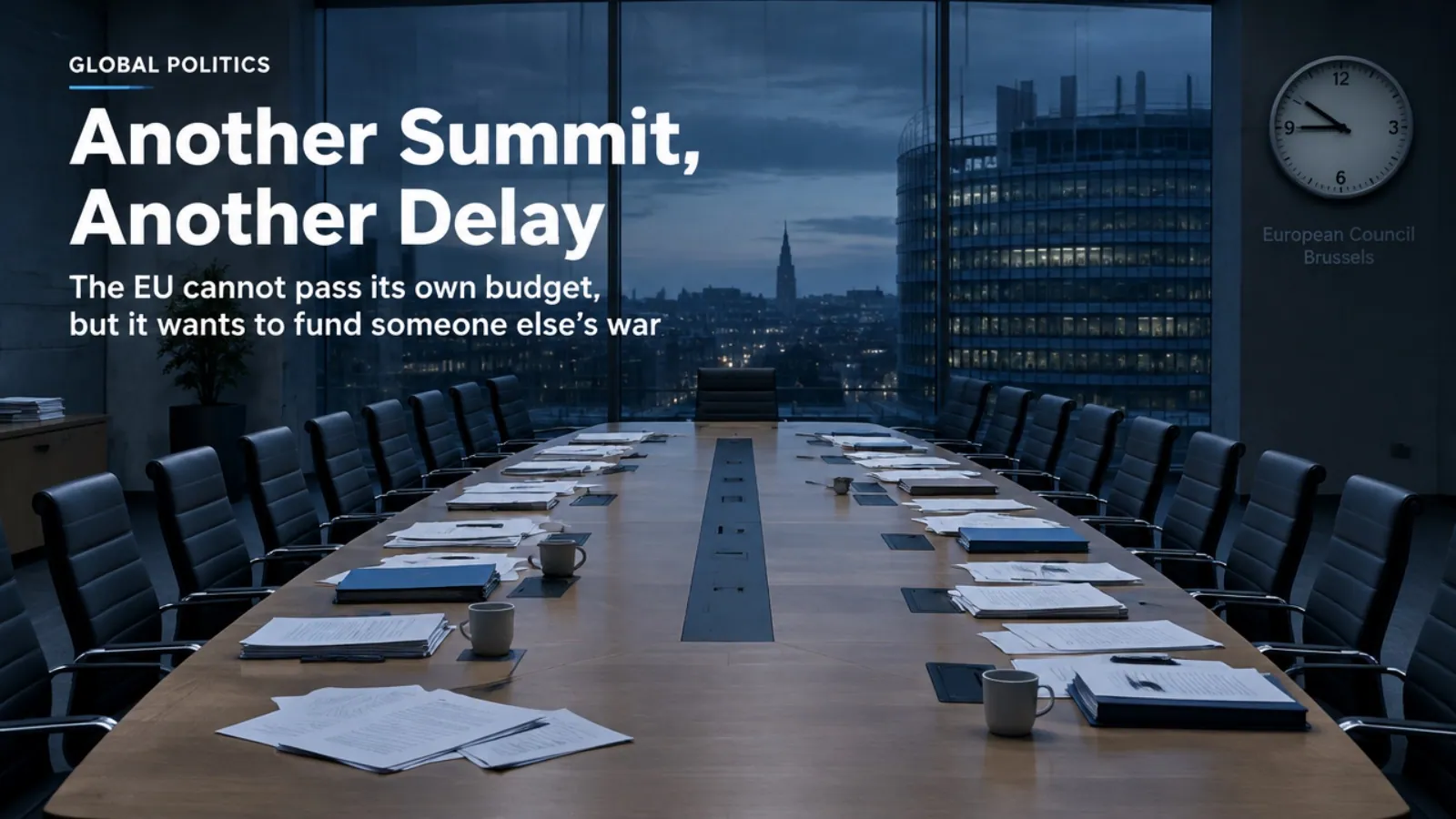
Another Summit, Another Delay
EU leaders met for over 12 hours but delayed agreements on the 2028-2034 budget and a €45 billion loan for Ukraine, highlighting persistent internal d
 November 25, 2026
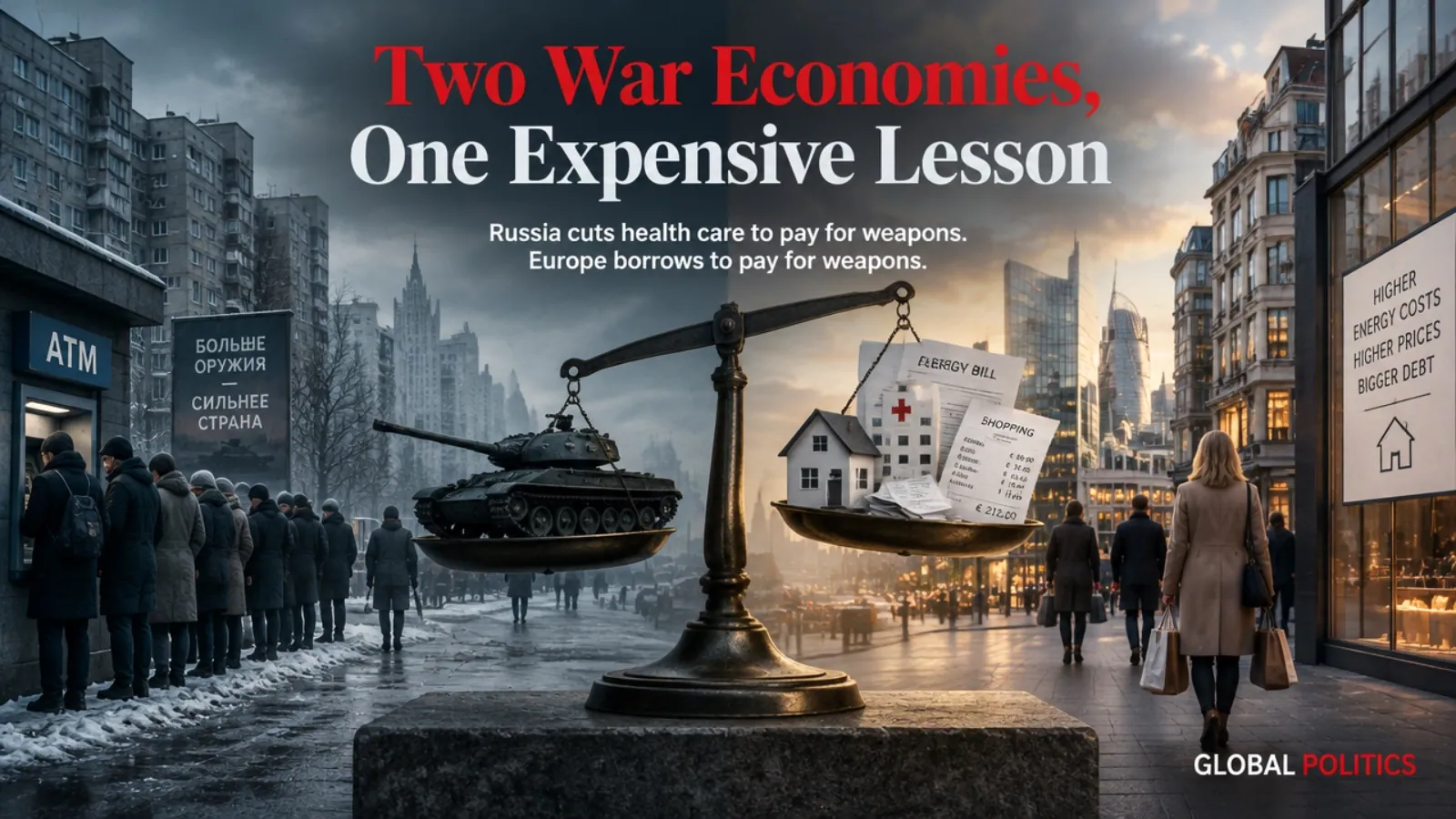
Two War Economies, One Expensive Lesson
Russia cuts social services and hikes taxes to fund defence, while Europe borrows and raises debt to rearm—both strategies shift the war's costs to ho