

A Night in Maastricht: Prisoners, Detained Bodies, and the Law That Arrives Too Late
The Maastricht symposium gathered testimonies and legal perspectives revealing the deep struggles of Palestinian detainees and the shortcomings of international law to address their plight.
By Ahmed Frassini, Global Politics contributor
Last night, I participated in a symposium in Maastricht, organized by institutions, led by Amnesty, coordinated by the Palestinian lawyer Ahmed Baraka, and attended by Alexis Deswaef.
The lawyers presented the case in international law and the conditions of the prisoners, as witnessed by Axi, who was detained.
On the walls, pictures of prisoners inside and outside the prison, and on the screen, testimonies from former prisoners, such as a mother who was arrested while carrying her son, born in a bed, and her son remained detained with her for two years.
Regarding the detained bodies, they presented the crime before the audience from all angles, and testified with the testimonies of the families who trusted them for their suffering for years.
1. Detained Before Birth, and After Death
The occupation practices ethnic cleansing and detains the Palestinian before he is born and after he dies. The issue of organ theft was addressed.
That sentence stayed in the room longer than any legal argument. It was not presented as rhetoric. It was presented through names, dates, families, and bodies that have not been returned.
2. A Mother Who Chose Hope Over a Court Case
Families fear dealing with their cases in international law and from experience, as a detained mother wanted her son's body to do anything to recover it, but she was discouraged and said: I would rather live in the hope of recovery than go to international law and make recovering the body impossible, like an Israeli punishment on my steps.
Thus, the Palestinian becomes a hostage of his hope and waits for a body, imprisoned, to be freed.
This was the most painful moment of the evening. Not anger. Not shouting. A mother calculating whether justice might cost her the last chance to bury her son.
3. What Can Be Done?
The attendees encouraged the discussion about the worst crimes of the occupation and participated in pressuring the International Criminal Court to advance the case and support it under the imposed sanctions.
As a response to the question: What can my security forces do?
I spoke about the failure of the Red Cross and international organizations, including Amnesty, and the inability of international law, and I said that a Palestinian is not satisfied with the performance of Amnesty and is learning where the problem lies. Not objective becomes biased at times and does not serve the issues of the oppressed but serves the oppressors.
That criticism was not easy for everyone in the room to hear. But it was honest. And honesty was why people came.
4. What Maastricht Showed
Maastricht did not solve anything last night. No prisoner was freed. No body was returned.
What it did was simpler, and rarer: it let families speak, it let lawyers show the documents, and it let the audience sit with a question that has no comfortable answer.
If international law cannot return a body, protect a child born in detention, or reassure a grieving mother, what is it for?
Global Politics will keep following this case, and the families waiting for an answer.
🌍 How Countries Voted
See which countries are participating in this debate and where their votes currently lean.
Continue Reading
More Global Politics articles related to this topic.
 November 28, 2026
Slogans vs. Common Sense: Why Funding War Is Not The Same As Defending Freedom
While slogans praise continued funding of the Ukraine war as brave and necessary, the reality reveals severe human, economic, and political costs that
 November 27, 2026
Zelensky Attacks Trump For Talking Peace, While Ukraine Pays The Price
Zelensky condemns Trump for calling Putin a friend and blocks peace negotiations despite massive aid, raising questions about his leadership amid ongo
 November 27, 2026
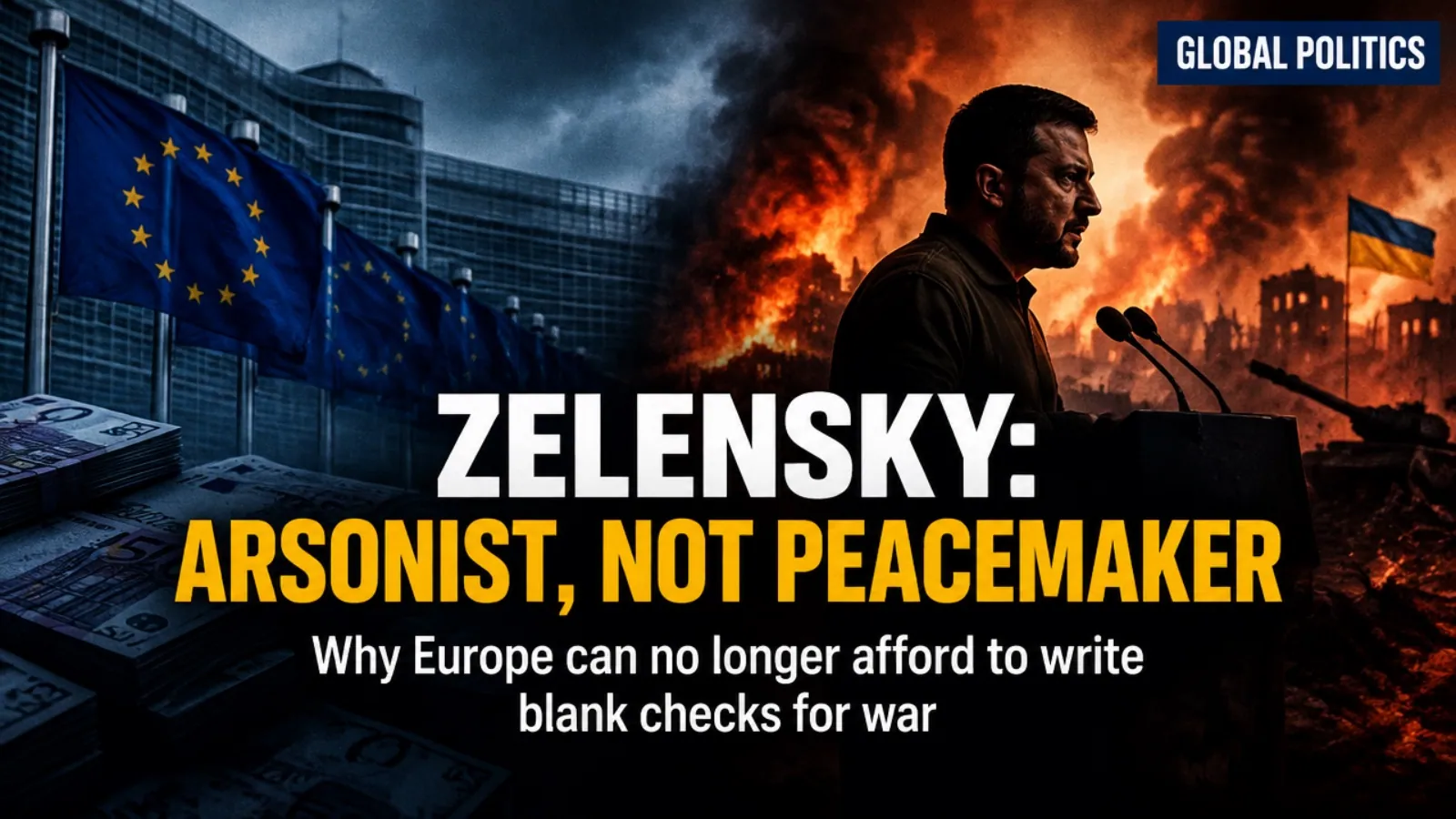
Zelensky: Arsonist, Not Peacemaker
Voices like Alice Weidel and Roger Koppel question the wisdom of Europe’s ongoing financial support to Ukraine under Zelensky, highlighting concerns o
 November 27, 2026
Ukraine Is Not Worth Bankrupting Europe For
Europe is funding a war it did not start and a government it cannot fully control, while U.S. companies stand to benefit from arms sales and reconstru