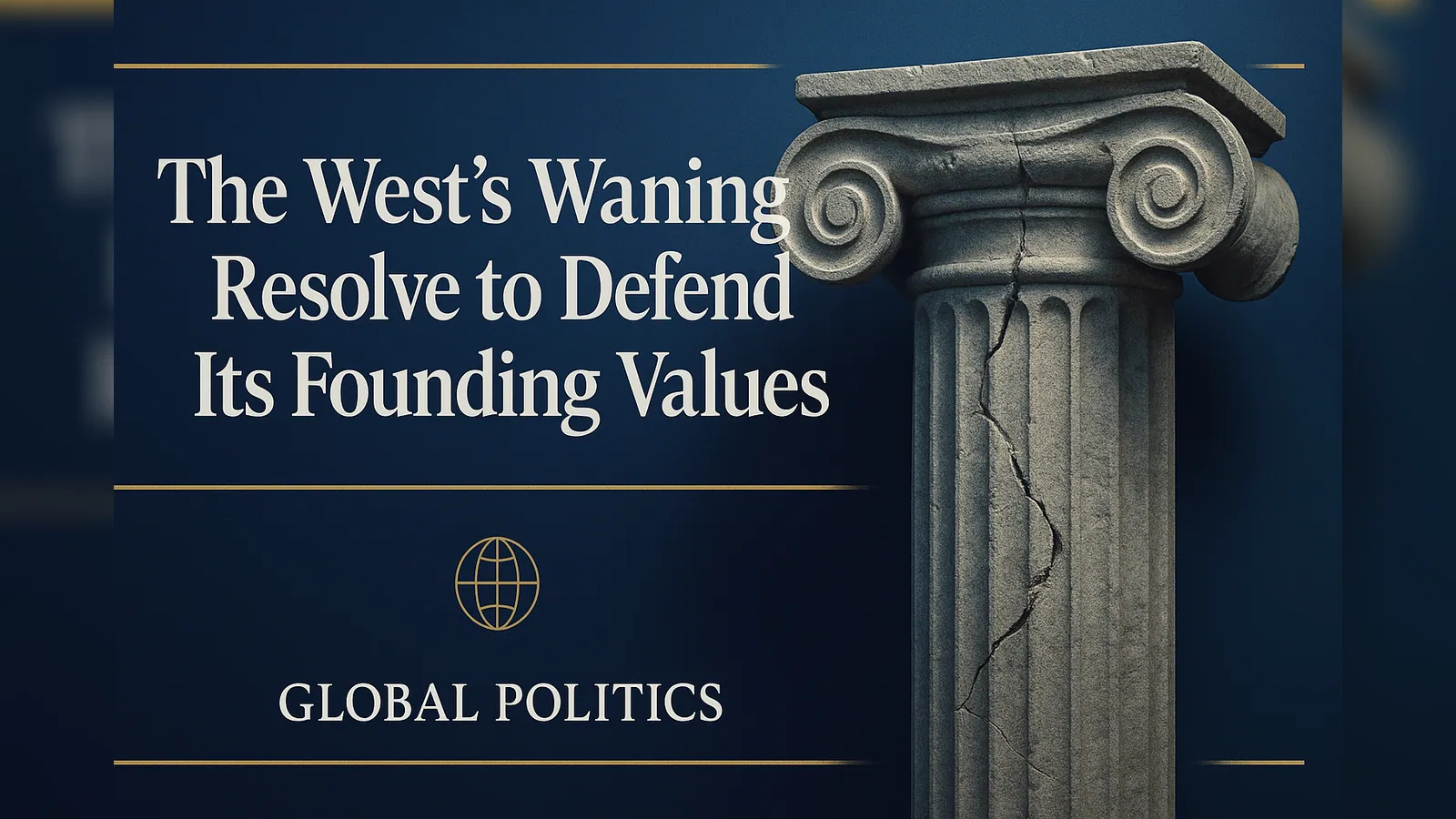
The West’s Waning Resolve to Defend Its Founding Values
Western countries, once champions of individual freedoms, rule of law, and democratic governance, now appear hesitant to actively uphold these principles. This shift has profound implications for global order and the future of liberal democracy.
The Foundations of Western Values
Western civilization, broadly understood as societies rooted in Enlightenment principles, has historically emphasized values such as individual liberty, democratic governance, the rule of law, human rights, and free markets. These ideals shaped modern institutions and fostered a global order where liberal democracy was regarded as a model to be preserved and promoted. For decades, Western nations took active roles in defending these principles both at home and abroad, often viewing this commitment as integral to their identity and legitimacy.
The Signs of Waning Resolve
More recently, Western countries exhibit signs of hesitancy in defending these foundational values. Domestically, challenges to democratic norms, such as the erosion of free press, political polarization, and governance gridlock, have led to a weaker collective will. Internationally, reluctance to confront authoritarian regimes or defend human rights rigorously—whether due to political fatigue, economic interests, or shifting priorities—reflects this decline.
Several global events underscore this trend: muted responses to aggressive actions undermining sovereignty and international law, inconsistent promotion of democratic governance, and growing tolerance for authoritarian influence within Western institutions themselves. These developments suggest a departure from the once robust assertiveness in defending democratic values against external threats.
Why This Matters Globally
The diminishing Western will to uphold its core values has broad and complex implications. For one, it creates strategic vacuums allowing illiberal powers to challenge the existing international order, threaten global stability, and promote alternative governance models less respectful of individual freedoms.
Moreover, it risks undermining confidence in democracy itself, both within Western societies and globally. When Western countries fail to demonstrate clear, consistent commitment to their founding principles, their moral authority erodes, weakening alliances and emboldening authoritarian actors. This shift may also inspire internal self-doubt about the viability and resilience of Western democratic ideals.
Conclusion: The Risk of Losing More Than Values
If the West continues on its current trajectory of reluctance and ambiguity, it risks not only the erosion of its values but also its influence and cohesion. Defending foundational principles requires clear-eyed conviction and sometimes difficult choices. Without renewed will, Western countries may find themselves spectators rather than shapers of the future global order, undermining the very freedoms they once championed.
Ultimately, the question facing the West is stark: will it reclaim the strength and clarity necessary to defend its founding ideals, or will it quietly relinquish that role to emerging powers with fundamentally different visions? This moment demands honest reflection and decisive action.

🌍 How Countries Voted
See which countries are participating in this debate and where their votes currently lean.
Continue Reading
More Global Politics articles related to this topic.
 May 31, 2026
Should National Media Be Required to Host International Journalists for Fact-Checking?
As misinformation escalates globally, should governments compel national media to open their doors to international journalist-led fact-checks? A look
May 31, 2026
Should National Media Be Required to Host International Journalists for Fact-Checking?
As misinformation escalates globally, should governments compel national media to open their doors to international journalist-led fact-checks? A look
 August 7, 2026
The West’s Moral Makeover: Can It Overcome Its Colonial Legacy by 2026?
The West’s transformation from colonial empires to global moral leaders faces rising challenges. Its claims to moral authority spark debates over hist
August 7, 2026
The West’s Moral Makeover: Can It Overcome Its Colonial Legacy by 2026?
The West’s transformation from colonial empires to global moral leaders faces rising challenges. Its claims to moral authority spark debates over hist
 August 2, 2026
Elon Musk’s Call to End Ukraine’s Forever War: Risks, Stakes, and Global Reactions
Elon Musk has challenged the prevailing push for prolonged military aid to Ukraine by urging a negotiated peace. His stance shines a spotlight on the
August 2, 2026
Elon Musk’s Call to End Ukraine’s Forever War: Risks, Stakes, and Global Reactions
Elon Musk has challenged the prevailing push for prolonged military aid to Ukraine by urging a negotiated peace. His stance shines a spotlight on the
 August 1, 2026
When Truth Has No Flag: How Contested Facts Heighten Global Social Pressure in 2026
In 2026, the battle over what is true is crossing borders and deepening divides worldwide. As facts become contested territory, societies face growing
August 1, 2026
When Truth Has No Flag: How Contested Facts Heighten Global Social Pressure in 2026
In 2026, the battle over what is true is crossing borders and deepening divides worldwide. As facts become contested territory, societies face growing